Trump Stumbles in Announcement for DOE Deputy Pick
January 18, 2025 - 18:35
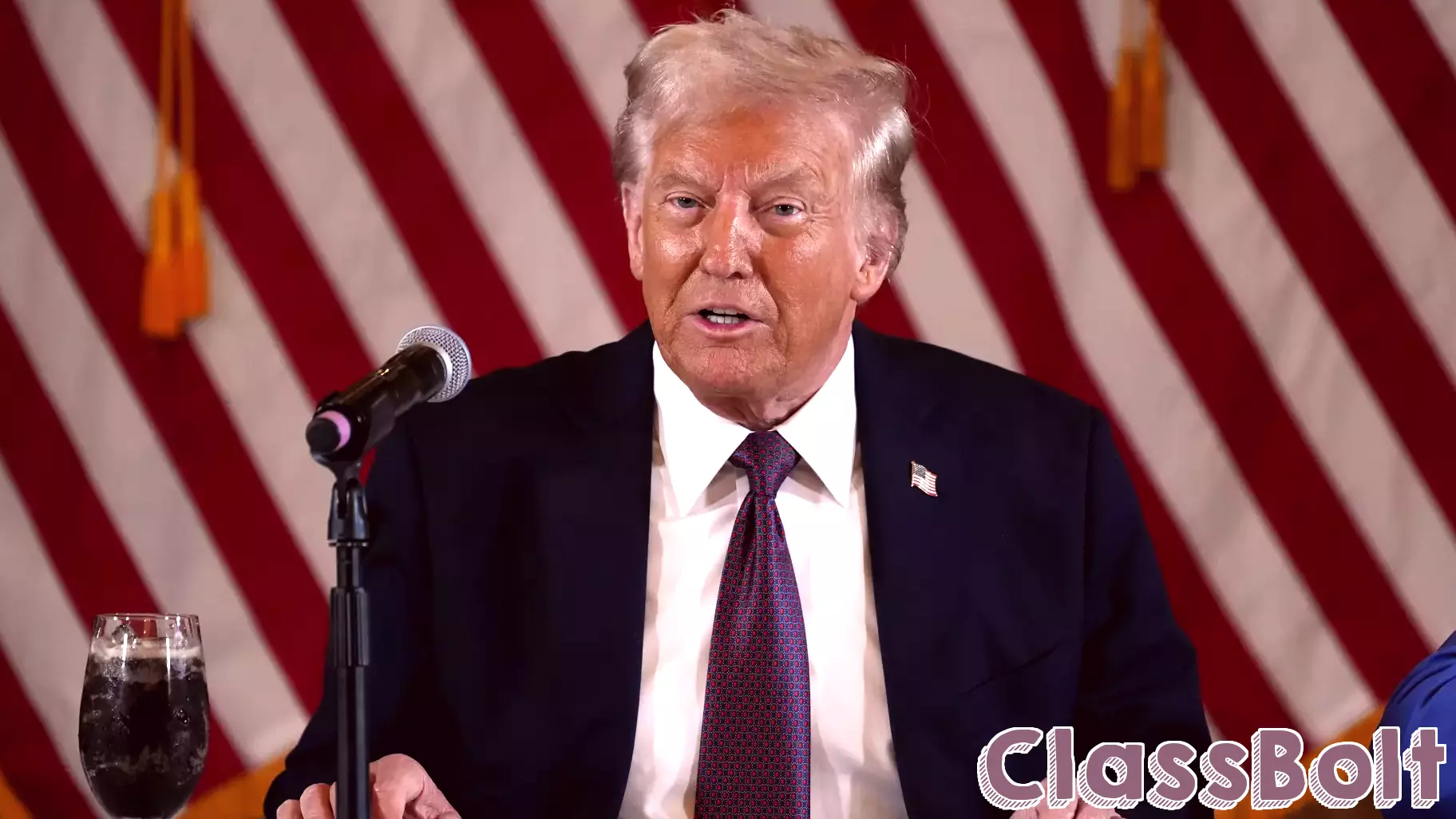
In a recent announcement, former President Donald Trump made a notable blunder while praising his nominee for the Department of Education deputy position. During his speech, Trump repeatedly emphasized the nominee's "strong record of delivering results for children and families," but his delivery was marred by several missteps that drew attention.
The former president's remarks were intended to highlight the qualifications and achievements of his pick, yet his fumbling of the congratulatory message overshadowed the intended praise. Observers noted that the gaffe could detract from the nominee's credentials, as Trump's focus shifted from the positive attributes of the candidate to his own verbal miscalculations.
This incident serves as a reminder of the challenges that come with high-stakes announcements. As Trump continues to make headlines, the implications of such errors could resonate beyond the immediate context, potentially influencing public perception of the nominee and the administration's educational priorities moving forward.
MORE NEWS

October 25, 2026 - 08:26
State education leaders visit Kenmore Junior/Senior High SchoolThe Ken-Ton School District hosted a team of state education leaders at Kenmore Junior/Senior High School on Tuesday, Oct. 20, to learn how the district is expanding graduation opportunities for...

October 24, 2026 - 17:29
Hardware Wildlife Education Center to host Turkey Tales exhibit in NovemberAs Thanksgiving approaches, the Division of Wildlife Resources is getting the Hardware Wildlife Education Center ready for its yearly Turkey Tales exhibit. Visitors will have the chance to learn...

October 24, 2026 - 00:59
Julio Salinas Discusses Rio Grande Valley Priorities in Texas House RaceJulio Salinas, a candidate for the Texas House, recently addressed key issues facing the Rio Grande Valley as he campaigns for House District 41. Salinas is running against Republican Gary Groves...

October 23, 2026 - 05:09
Education Official Cautions Against Sanctuary Campus Designation at University of UtahA high-ranking education official is pushing back against efforts to designate the University of Utah as a sanctuary campus for immigrant students, arguing that such a move could create legal and...